
Top 10 wines that wow at any dinner gathering
What if one bottle could turn small talk into stories? In short, you are about to learn how to pick dinner party wines with confidence, then choose from 10 bottles that wow any crowd, complete with smart food pairings and playful accessories that keep the table buzzing.
You want wines that please different palates, fit your menu, and spark conversation. Think crisp whites that lift creamy dishes, vibrant reds that handle hearty mains, and a few surprises that get your guests asking, what am I tasting here?
Before you shop, keep this simple. Match intensity with intensity, keep a balanced spread of styles, and plan one wild card to get people talking. Rosé and sparkling wines are flexible, so they cover you when the menu is mixed.
Picture this. Grandma's lasagna, a stacked cheese board, and a killer salad all on one table. A Sauvignon Blanc refreshes bites between courses, a Cabernet Sauvignon stands up to richer meats, and Zinfandel brings the spice-friendly fruit your BBQ cousin loves. When in doubt, rosé and bubbles are your backup singers.
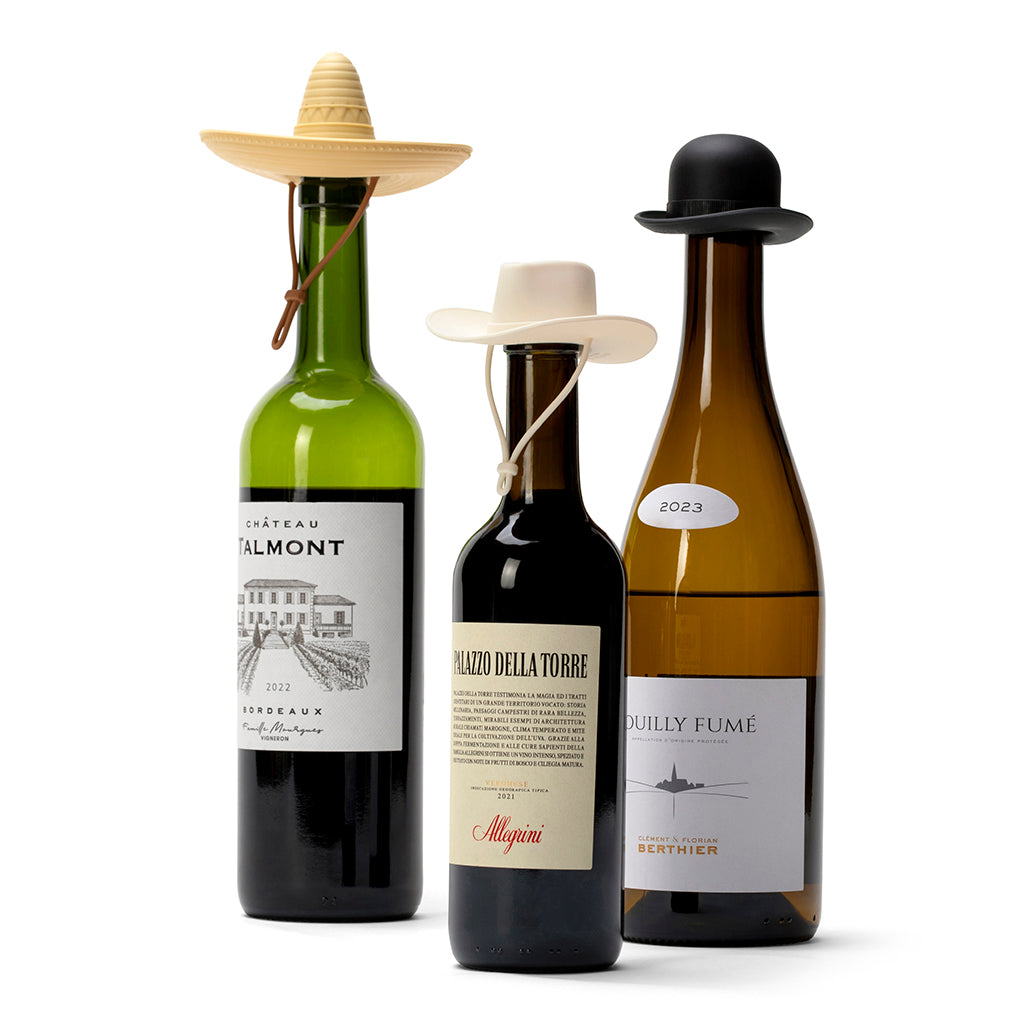
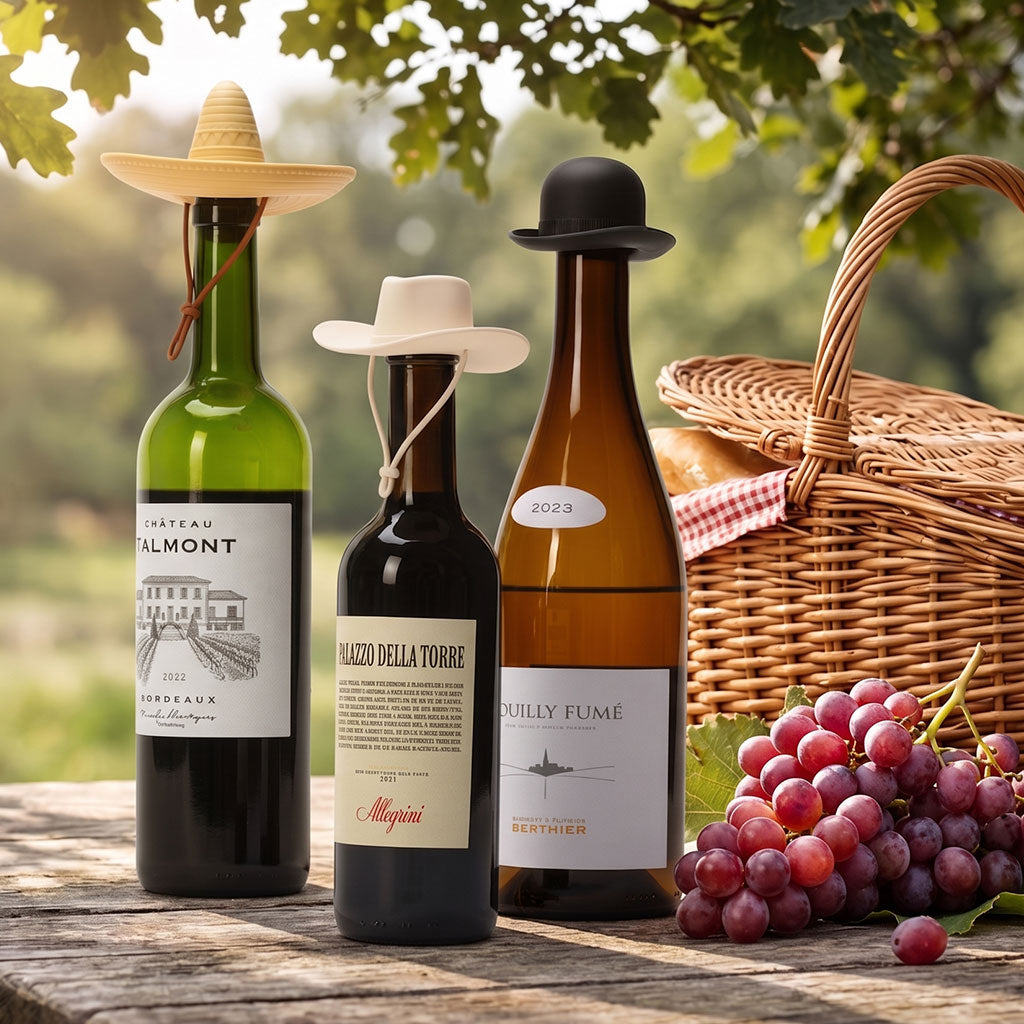
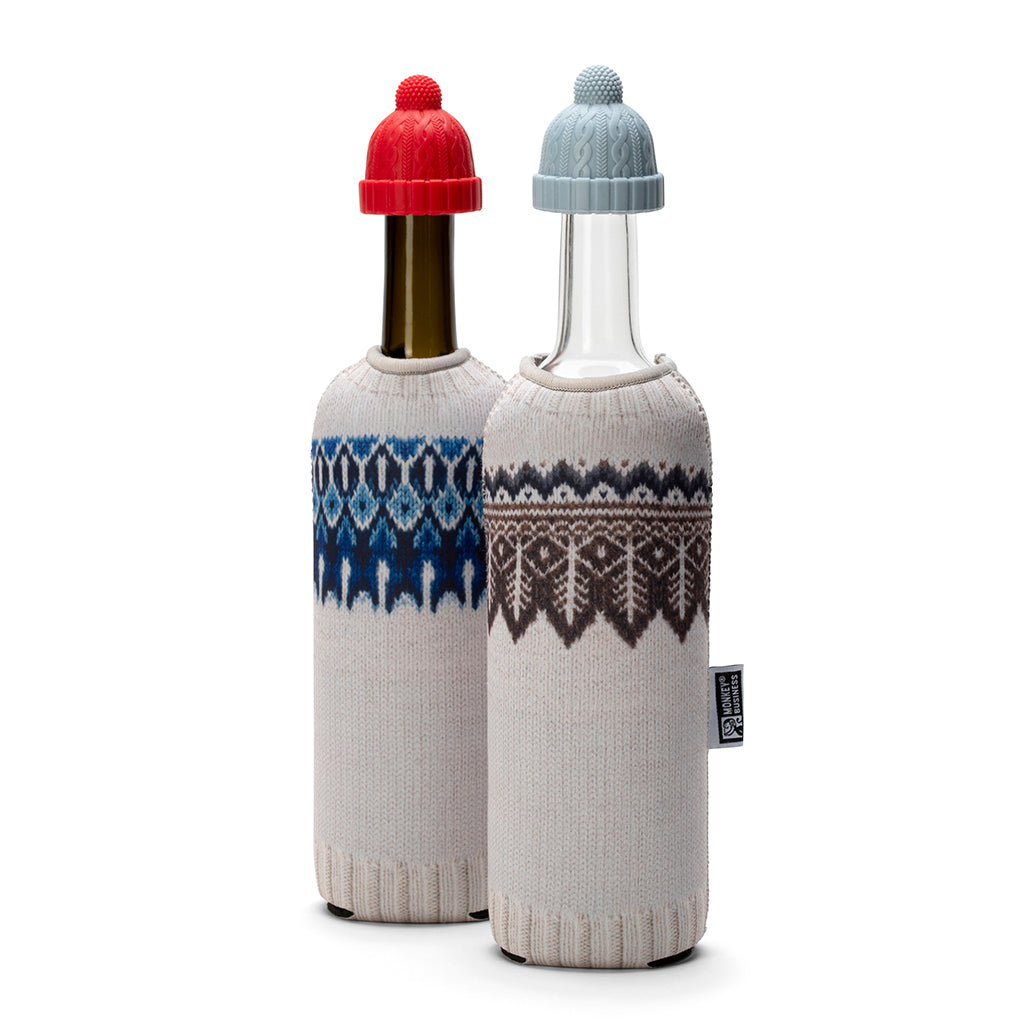
Want to turn your table into a smile factory? Add a little flair with fun, functional bar gear. Monkey Business has giftable gems like Bowler Derby Hat Bottle Stoppers and the Corkers Classics Family Pack. You even get 4 for the price of 3 on select family packs, so you can treat your guests and stock up without overthinking it. Explore the full range at Monkey Business bar and wine gifts.

What you will find
- How to pick dinner party wines with zero stress
- The top 10 wines that wow any dinner gathering
- Easy food pairings for each pick
- Quick serving and decanting tips
- Playful accessories that keep conversations flowing
How to pick dinner party wines
Plan for a mix. One sparkling, two whites, three reds, one rosé, and one sweet finish will cover most menus and preferences. That gives you range without overbuying.
Serve at the right temperature. Chill whites and rosés to fridge-cool, then let them warm slightly in the glass. Most reds shine around 60 to 65 F, not room temp from a warm kitchen. For a helpful guide, see this quick chart from Wine Folly.
Decant for clarity. Even 30 minutes can soften tannins and open aromatics on bolder reds. If you are curious when decanting helps, this primer from Jancis Robinson is a great starting point.
Add one talking point bottle. An orange wine, a bourbon barrel aged Zinfandel, or an old-vine field blend prompts questions and smiles. If you love the natural wine route, peek at our guide to conversation-sparking bottles here: Top 10 natural wines.
Top 10 wines that wow at any dinner gathering
1. Sparkling crowd-pleaser
Start strong with Veuve Clicquot Brut Champagne. Bright apple and citrus, tiny bubbles, instant celebration. It pairs with everything from oysters to fried chicken, and it sets the mood within seconds. Explore the house at Veuve Clicquot.
2. Zesty sauvignon blanc
Reach for Oyster Bay Sauvignon Blanc from Marlborough. Crisp lime, passionfruit, and a herbal snap that cuts through creamy pastas and brightens salads. It is a reliable crowd favorite you can pour early and often. Learn more at Oyster Bay Wines.
3. Creamy chardonnay comfort
Go Burgundy style for depth that still feels fresh. A balanced Chardonnay with green apple, gentle oak, and brisk acidity loves roast chicken, quiche, and buttery sides. It brings comfort without feeling heavy.
4. Orange wine conversation starter
If you want a fun curveball, try Domaine Plageoles Terroirists Orange from Gaillac. Skin contact gives it tea-like tannin and apricot lift, which pairs beautifully with spiced dishes and cheese boards. Curious about orange and natural wines as a category? Here is a helpful explainer from Decanter.
5. Delicate pinot noir
Think red berries, soft tannins, and a silky finish. Pinot Noir handles salmon, mushrooms, and herb-studded chicken. When you do not know the menu, this is your safest red pick.
6. Juicy gamay from loire
Pour Morantin Touraine Gamay La Boudinerie 2018. It is bright, juicy, and chillable. Expect red cherry, subtle spice, and a clean finish that partners well with charcuterie, roast veggies, or pizza night. Vintage 2018 often delivers ripe fruit with lively acidity.
7. Classic chianti classico
When tomato sauce hits the table, Chianti Classico sings. Sangiovese brings cherry, savory herbs, and firm structure, which is perfect for lasagna and grilled meats. Your guests will taste Italy in the best way.
8. Bold cabernet sauvignon
For steak night, open Charles Krug Cabernet Sauvignon. You get blackcurrant, cedar, and polished tannins that hold their own with ribeye or short ribs. Explore the estate at Charles Krug.
9. Bourbon barrel aged zinfandel
This Northern California style brings blackberry, vanilla, caramel, and a peppery finish. It is incredible with barbecue, sweet and spicy meatballs, or smoked dishes. The extra barrel character makes it a table-side talking point.
10. Dry provence rosé
Rosé is your utility player. Pale salmon color, strawberry and citrus notes, and refreshing acidity make it perfect with grazing boards, spicy apps, and mixed menus. Chill it, pour generously, and watch plates empty.
Smart pairing tips for dinner party wines
Balance acid with richness. Sauvignon Blanc cuts creamy sauces, Champagne scrubs the palate between bites, and Chablis-style Chardonnay keeps buttery dishes lively.
Match weight with weight. Pinot Noir for lighter proteins, Cabernet Sauvignon for steak or lamb. Bold food needs bold friends.
Use fruit and spice to bridge flavors. Zinfandel's sweet spice fits barbecue sauce, Gamay's red fruit flatters cured meats, and rosé threads the needle across a buffet.
Serve smart. Pop bubbles just before guests arrive, decant fuller reds 30 to 60 minutes ahead, and keep a clean stopper handy when you want that next-day pour. Try a playful option like our Bowler Derby Hat Bottle Stoppers in the bar and wine gifts collection.
Make the table memorable
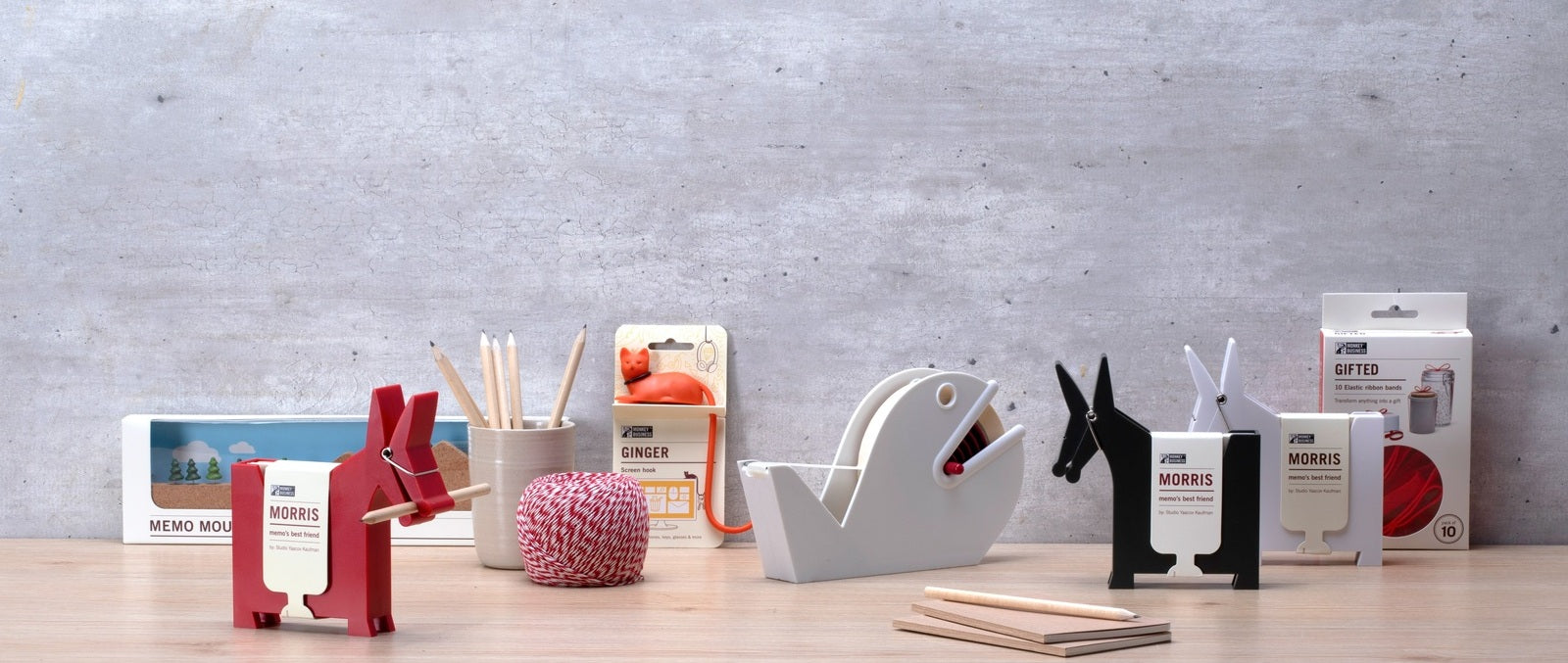
You set the vibe. A conversation-sparking bottle does the heavy lifting, and a whimsical touch seals the moment. The Corkers Classics Family Pack lets you turn used wine corks into tiny animals, so guests craft a keepsake right at the table. You can even grab select multipacks at 4 for the price of 3 to stock up for future dinners.
Want more crowd-pleasing bottle ideas? Take a look at our guide to dependable dinner favorites: top 10 wines to open at your next family gathering.
Key takeaways
- Build a flexible lineup with bubbles, two whites, three reds, a rosé, and one sweet or quirky pick.
- Match intensity with intensity, and serve wines at the right temperature for best flavor.
- Decant fuller reds 30 to 60 minutes before dinner to open up aroma and soften tannins.
- Use one talking point bottle, like orange wine or bourbon barrel aged Zinfandel, to spark conversation.
- Add playful, functional accessories to elevate the experience and keep guests smiling.

Time to set the table
You are ready to pour with purpose. Start with a pop, layer in whites and reds that match your menu, and then toss in one delightful curveball. Add a few fun details, and your dinner turns into a story your guests will tell again. Which bottle will you open first to get everyone leaning in?
FAQ
Q: How many bottles should I buy for a dinner party of eight?
A: Plan one bottle per two guests for a full evening, so about four to five bottles. If you are serving multiple courses, add one extra bottle of bubbles or rosé to stay covered.
Q: What is the easiest pairing rule to remember?
A: Match the weight of the wine to the weight of the dish. Light wines with light dishes, bolder wines with richer foods. Then use acidity to refresh or spice to complement flavors.
Q: Do I need to decant every red wine?
A: No. Decant fuller reds like Cabernet Sauvignon, Syrah, or young tannic wines for 30 to 60 minutes. Lighter reds like Pinot Noir often do better with a quick splash in the glass.
Q: What should I serve if I do not know the menu?
A: Bring a sparkling wine to start, a Sauvignon Blanc or Chablis-style Chardonnay, and a Pinot Noir. These three wines cover a wide range of foods and tastes.
Q: How cold should I serve rosé and white wines?
A: Chill to fridge-cool, about 45 to 50 F for most whites and rosés. If it tastes muted, let it sit for a few minutes. A slight warm-up unlocks aroma and flavor.
Q: How can I make my table more fun without buying more wine?
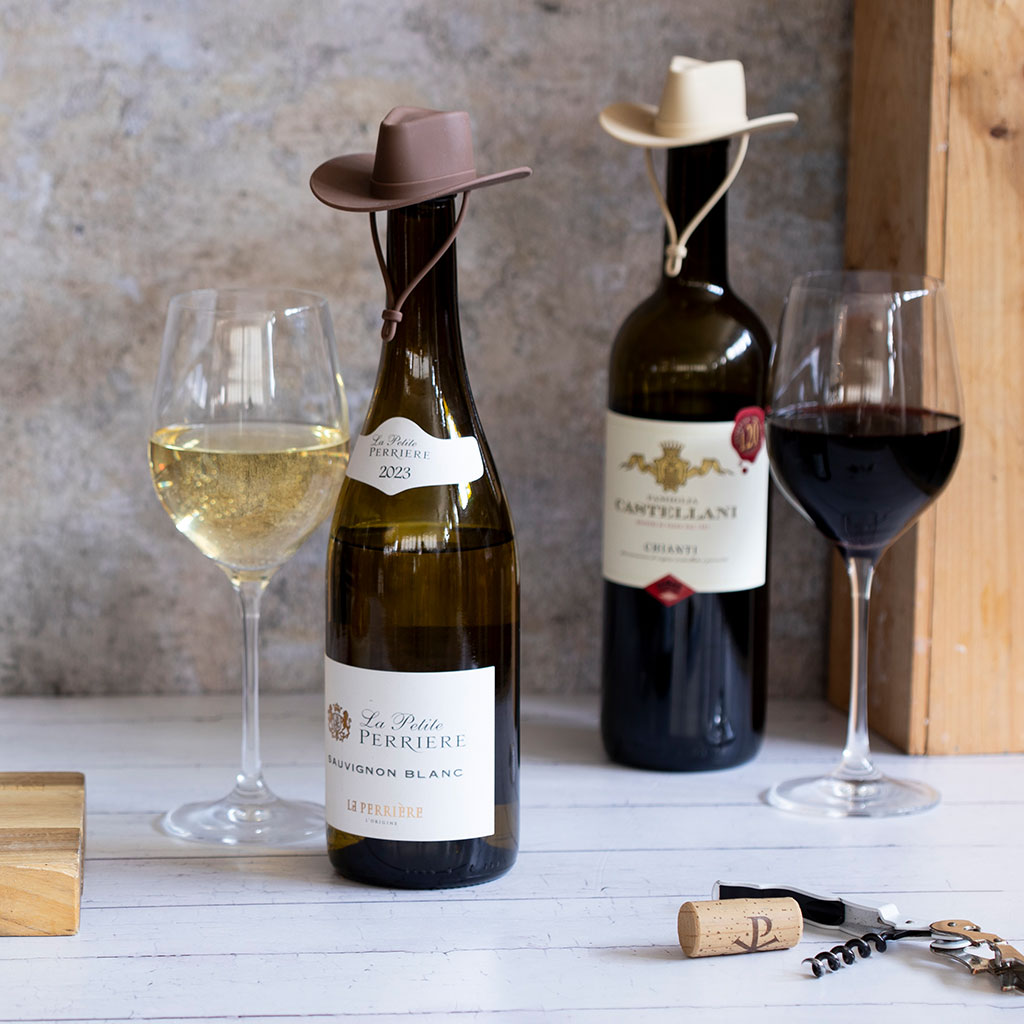
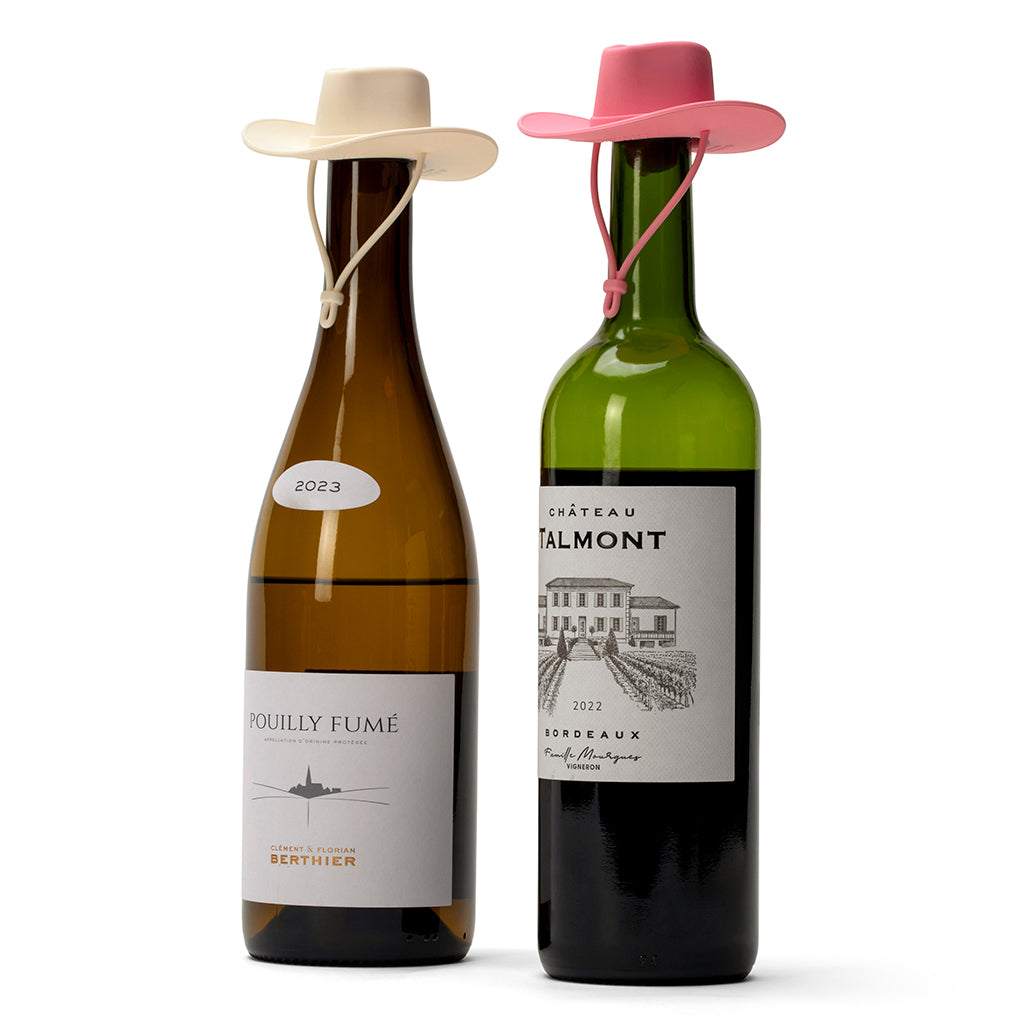
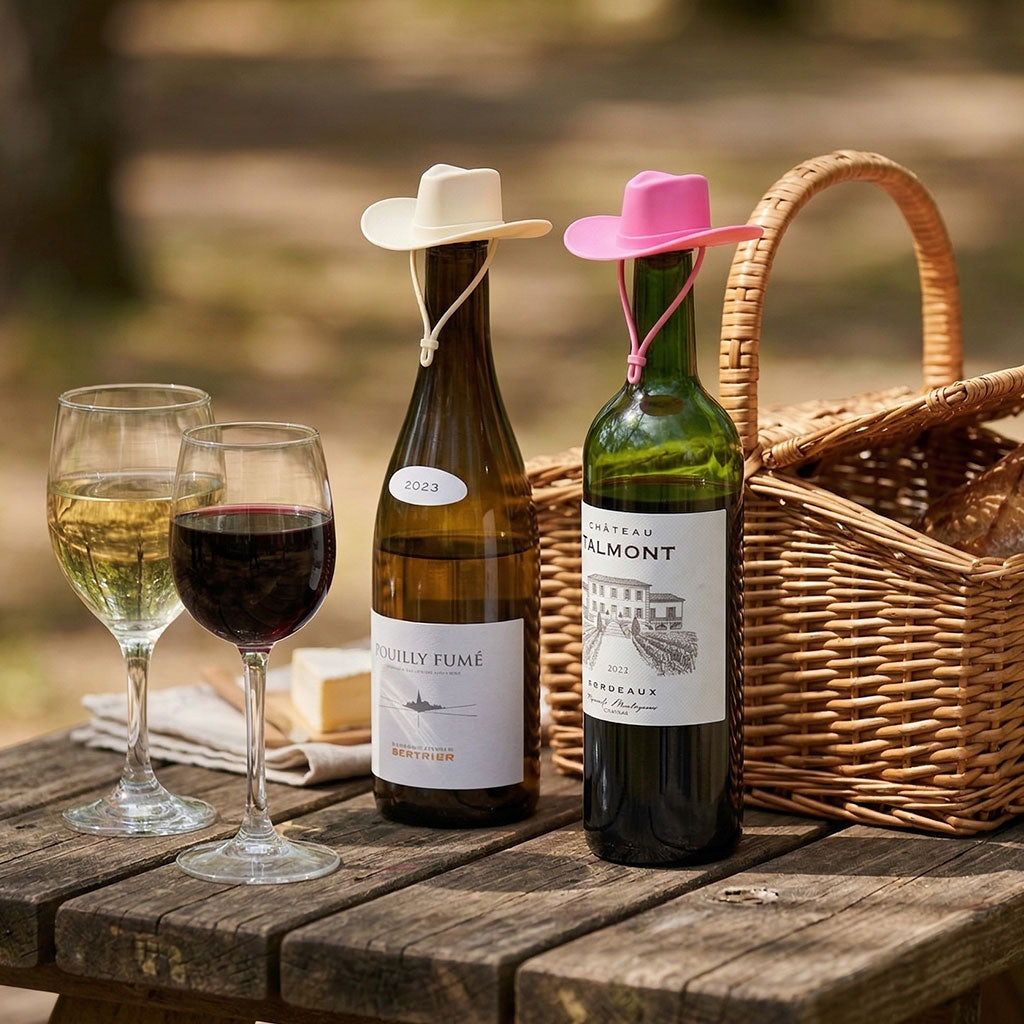
A: Add personality with playful stoppers and table toys. Try Corkers to build tiny figures from used corks, or use themed stoppers like our Howdy Cowboy Hat Bottle Stoppers from the bar and wine gifts collection.