
You are about to see how everyday products get smarter, kinder, and a lot more fun. First, you will get a quick look at why playful design products matter. Then you will see how a brand like Monkey Business turns small annoyances into delightful, functional design you actually want to use.
What if the future of everyday products is not more features, but more feeling?
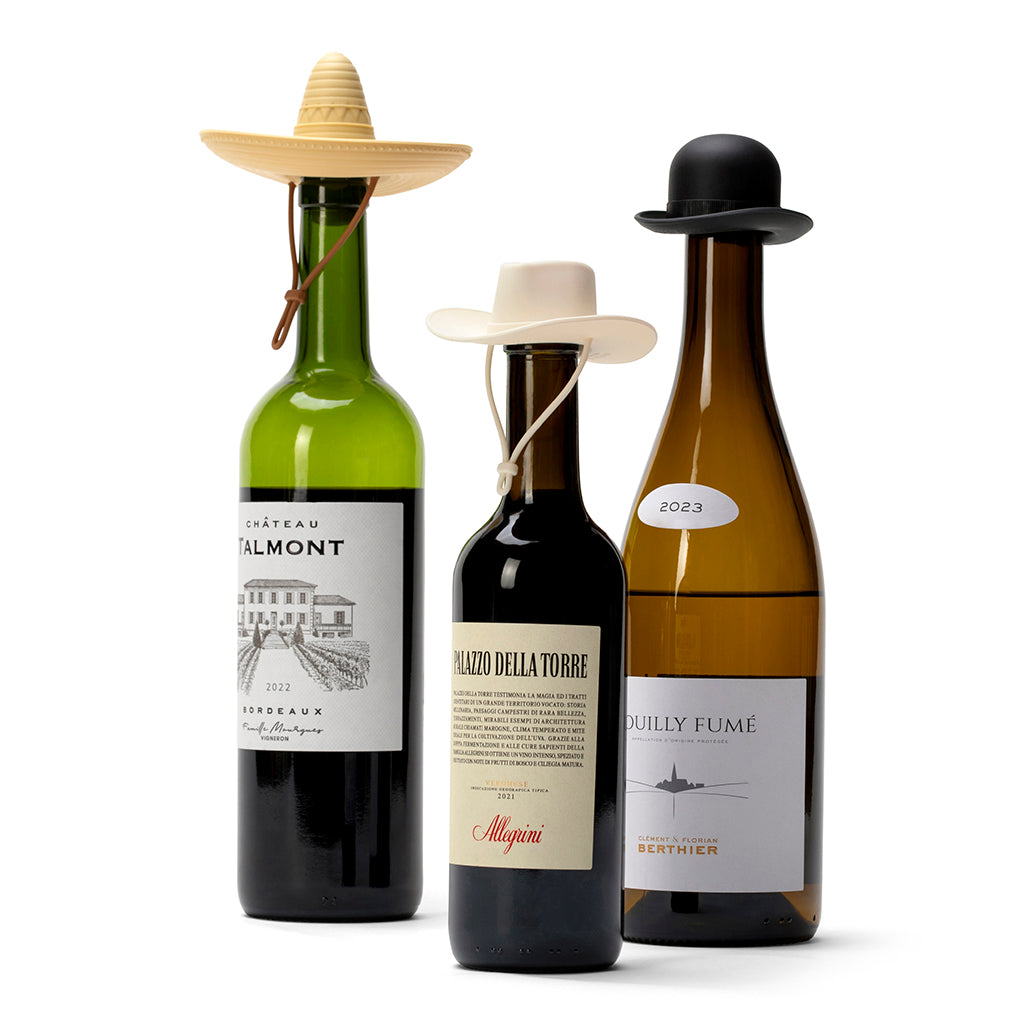
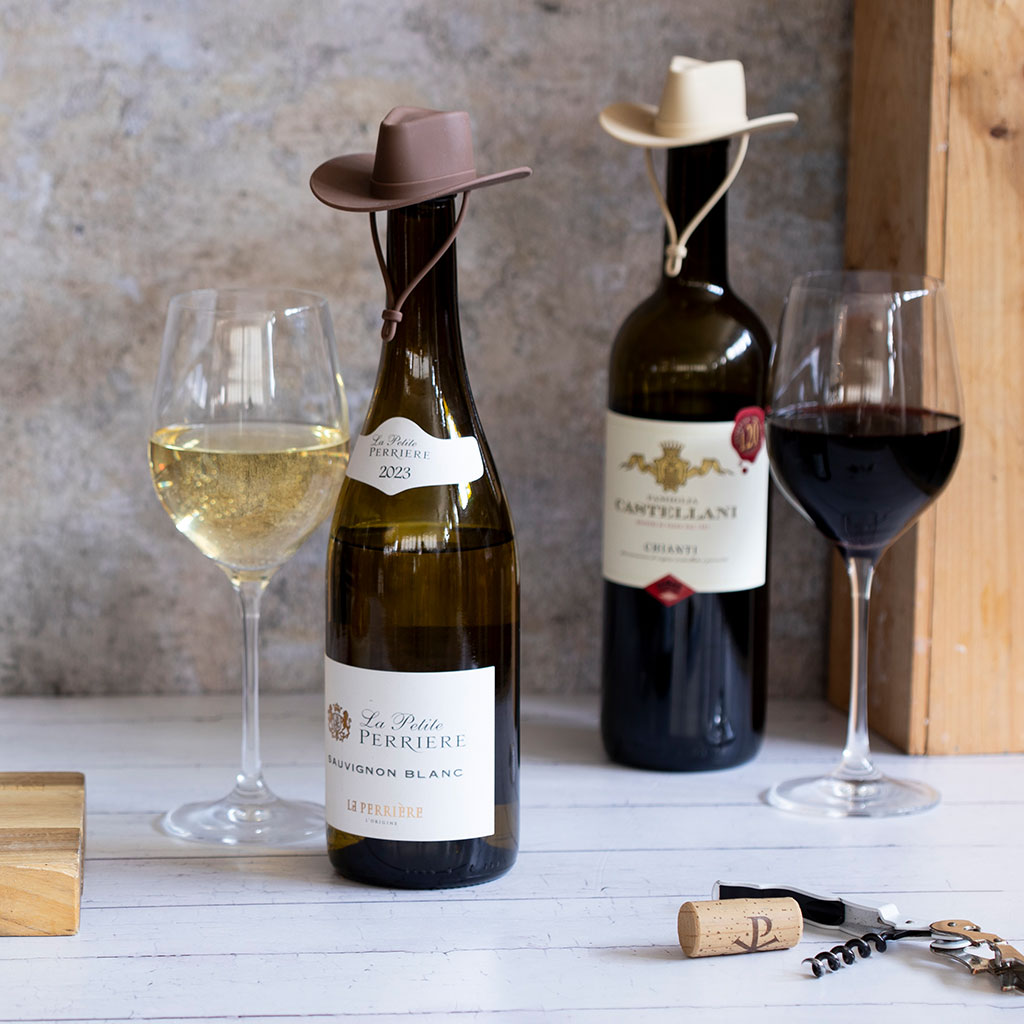
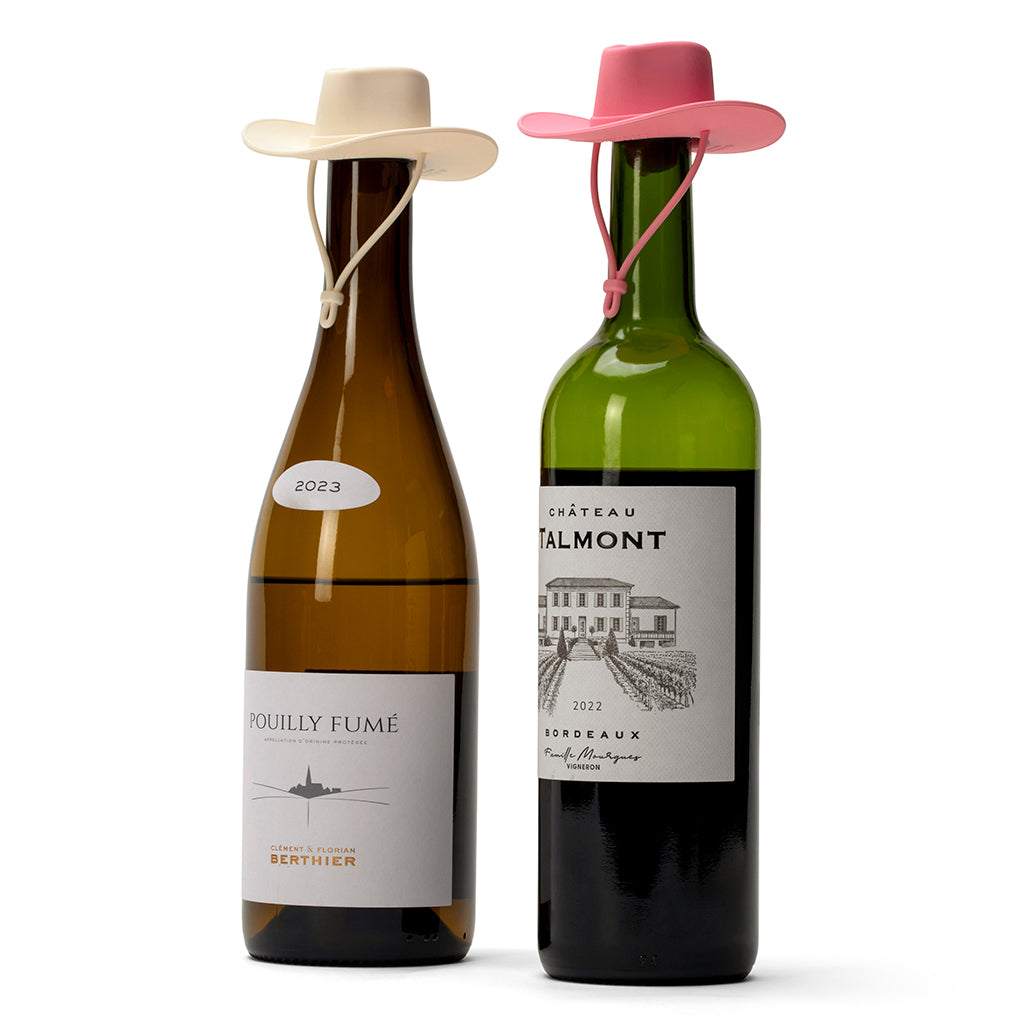
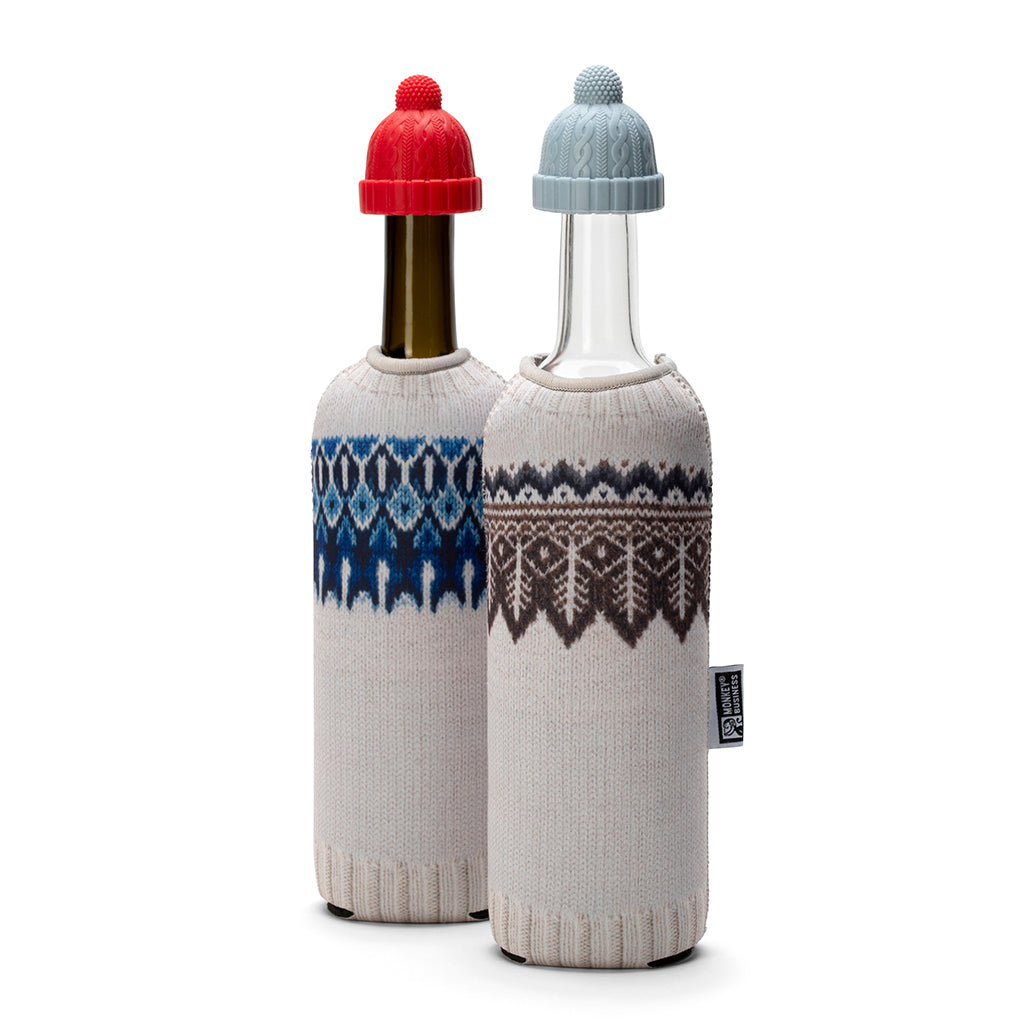
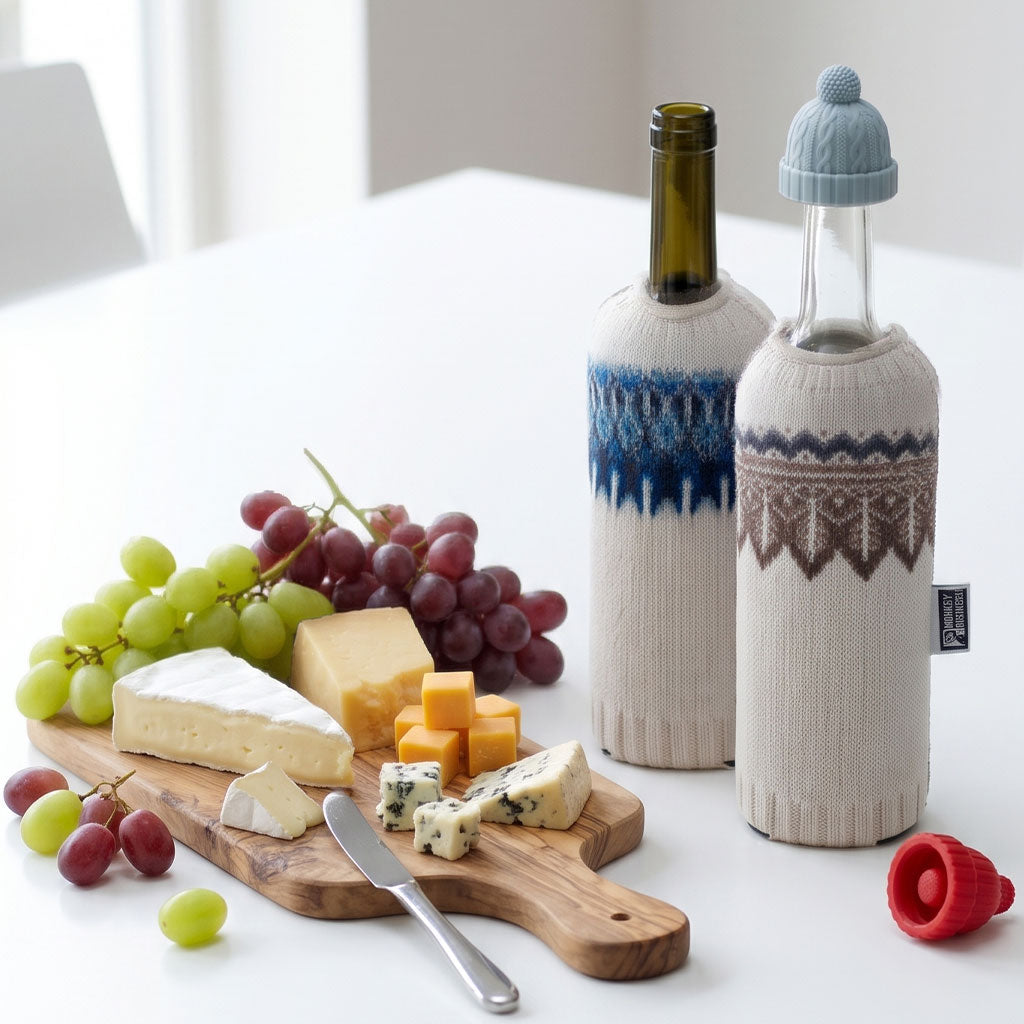
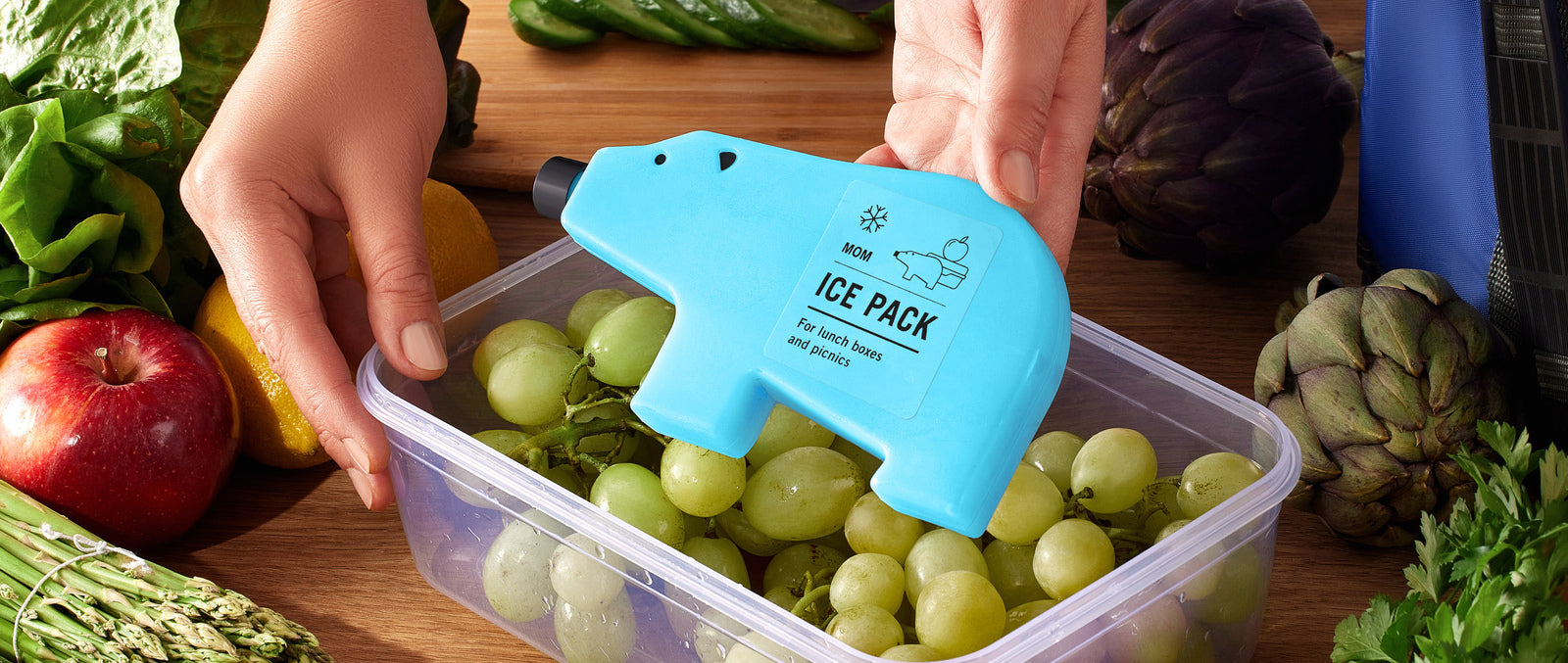
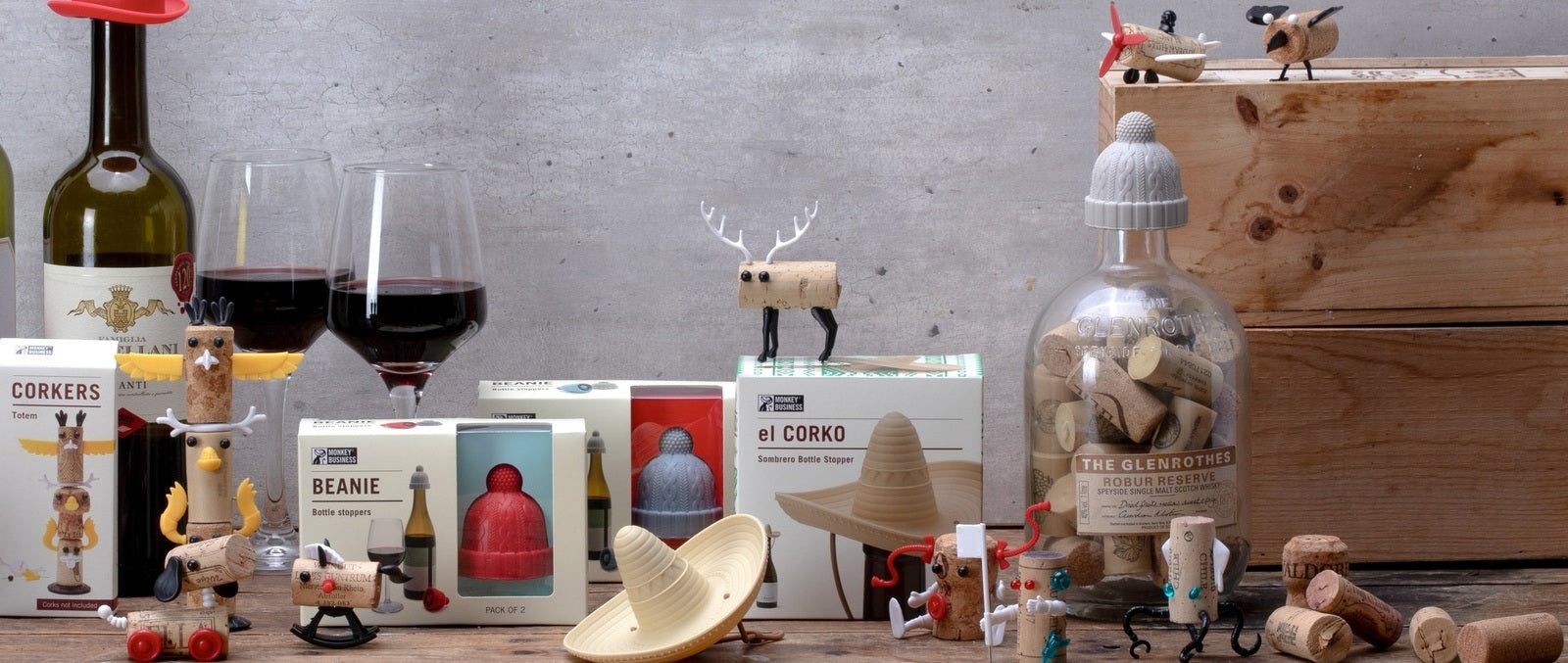
You want tools that work, look good, and make you smile. That is exactly where Monkey Business shines. The family-run studio, founded by industrial designer Oded Friedland, builds affordable, cleverly designed solutions for daily life. Kitchen tools, living accessories, office accessories, wine and bar gifts, odor eliminators, kids corner items, even gift cards. Each one is designed to solve a problem and spark a grin.
In this guide, you will map how everyday products are evolving. You will follow the path from basic functionality to joyful utility. Along the way, you will see data-backed trends and hear from the designers who live this every day.
Here is how we will explore it together:
- What you think you know about everyday products
- Hidden insight 1: playfulness is a function
- Hidden insight 2: small problems, big loyalty
- Hidden insight 3: data-guided design and agentic shopping
- Hidden insight 4: sustainability that does not scold

What you think you know about everyday products
Most people buy everyday products with one goal, get the job done. A sponge should clean. A clip should hold. A note holder should store reminders. End of story.
But you do not live in a spreadsheet. You live in a kitchen, at a desk, in a home where things must look right and feel right. That is why products that stack function with personality are winning. Not just premium gadgets. Affordable, clever items that solve micro problems and add micro joy.
Monkey Business was built on that belief. As Oded Friedland told the International Home + Housewares Show, many of their products come from real daily life, time in the kitchen, at work, with kids, and with friends. They design original solutions for everyday problems and keep them accessible. You get smart without the snooty price tag. Read more about their design roots here, interview via the International Housewares Association, Discovering Design: Meet Monkey Business.
Hidden insight 1: playfulness is a function
Playfulness is not decoration. It is a design choice that changes how you interact with a product. When an office accessory makes you smile, you use it more. When a kitchen tool looks delightful on the counter, you keep it within reach and cook more often. That is utility by way of emotion.
Think about a cork note holder shaped like a little mountain on your desk. It turns clutter into a mini scene. The effect is simple and powerful. You glance more, you forget less, you enjoy your workspace more. Play is doing real work for you.
This approach works across categories. Wine and bar gifts that spark conversation help you host better. Odor eliminators that feel friendly get used often, so your home actually smells fresher. Kids corner items that double as décor get kids to put things away. Fun is the function you feel.
Hidden insight 2: small problems, big loyalty
Tiny frictions add up. Cables slide off your desk. Notes go missing. Drawer chaos steals minutes from your day. When a product removes that friction, even in a small way, you remember it. Then you tell a friend.
This is why practical, oddly specific tools convert. A cable clip that doubles as a cheerful character makes you smile every time your charger stays put. A clip that stands upright becomes a mini signpost for a to-do card. These are not grand inventions. They are small wins that stack trust, day after day.
The best part, smart design can stay affordable. Monkey Business prides itself on price-accessible pieces that feel giftable and useful at once. You are not choosing between premium and practical. You are getting both.
Hidden insight 3: data-guided design and agentic shopping
Designers listen to life. Smart brands also listen to data. According to PwC's retail research, value seeking is rising. Their Holiday Outlook 2025 reports a 5 percent drop in consumer spend compared with the prior season, driven by shoppers looking for more value and clear benefits. See the analysis here, PwC Holiday Outlook 2025.
That means your products need sharper utility and clearer stories. You want to know exactly why this item earns a spot on your counter or in your bag. Functional design paired with playful clarity does that. One photo, one line, one use case. Done.
Shopping itself is changing too. PwC describes the rise of agentic commerce, where AI agents act on your preferences to find and buy exactly what you need. The path from scroll to shelf is getting shorter and more personal. Explore the concept here, PwC on agentic commerce. For you, that means product pages must be crystal clear, with benefits, specs, and reviews that a human, or an AI assistant, can parse in seconds.
Hidden insight 4: sustainability that does not scold
Sustainability is not a box to tick. It is a set of choices, materials, and reuse moments that feel good to adopt. The companies shaping the future of consumer goods know this. The Innovation Momentum 2025 report spotlights Henkel, IFF, and L'Oréal among the top 100 innovation leaders, underscoring how established players push practical, sustainable advances into everyday life. You can dig into the highlights here, Innovation Momentum 2025.
For you, it comes down to simple, durable products that last, with minimal packaging and materials you trust. You do not need a lecture. You need a solution that fits your routine. Reusable, multi-use items do this beautifully, especially when they also feel playful enough to be kept out, not hidden away.
That is why a tidy, charming office accessory can actually be a sustainability choice. You keep it. You use it. You do not replace it. The future of everyday products is less about eco claims and more about loving the thing you own for a long time.
Key takeaways
- Choose everyday products that blend function with play, you will use them more and enjoy them longer.
- Target small frictions first, those quick wins build lasting loyalty and daily momentum.
- Ask for clear value, products should state benefits, uses, and pricing in seconds.
- Design for sustainability through durability and reuse, not just labels.
- Prepare for AI-assisted shopping, make product info precise and easy to parse.

The future of everyday products: insights from Monkey Business
Now you have the map. Everyday products are getting more thoughtful, not just more technical. You want pieces that solve real problems, spark small moments of delight, and last. Monkey Business shows how to do this with accessible pricing, playful character, and serious utility.
From Oded Friedland's design philosophy rooted in daily life to market signals like PwC's 5 percent spending shift toward value, the message is clear. Make it useful. Make it joyful. Make it easy to understand. When you do, your kitchen, desk, and home get calmer and more creative.
If you are ready to try it, start small. Pick one everyday product that frustrates you. Swap it for a playful, functional design that fixes the issue. Notice how much smoother your day feels. Then repeat in another corner of your life. You will build a home that works as good as it looks.
The future of everyday products is not far away. It is on your counter, in your drawer, and on your desk. Question for you, which small problem will you solve first?
FAQ
Q: What makes playful design products more effective than plain tools?
A: Playfulness boosts use. When a product is enjoyable to see and touch, you keep it close and use it often. That increases the chances you solve the problem it was designed to fix.
Q: How do I choose the right everyday products for my home?
A: Start with one friction point, like messy cables or lost notes. Pick a product that clearly explains the benefit, is easy to set up, and feels durable. If it makes you smile, you will use it more.
Q: Are affordable, functional design items durable?
A: Yes, if materials and construction are prioritized. Look for sturdy metals, quality plastics, or cork and wood where appropriate. Read reviews and check photos for fit and finish before you buy.
Q: How is AI changing the way we shop for everyday products?
A: AI agents increasingly compare options for you and surface the best fit. Clear product pages with concise benefits, specs, and price help AI and humans make faster, better decisions. See PwC's take on agentic commerce here, agentic commerce.
Q: What role does sustainability play in functional design?
A: The most sustainable everyday products are the ones you keep. Favor durable builds, reusable formats, and designs you enjoy seeing. You will replace fewer items, reduce waste, and create better habits.
Q: Where can I explore more playful, functional design products?
A: Visit Monkey Business to browse categories like office accessories and home helpers. Start here, Monkey Business, or jump to office favorites here, office accessories.