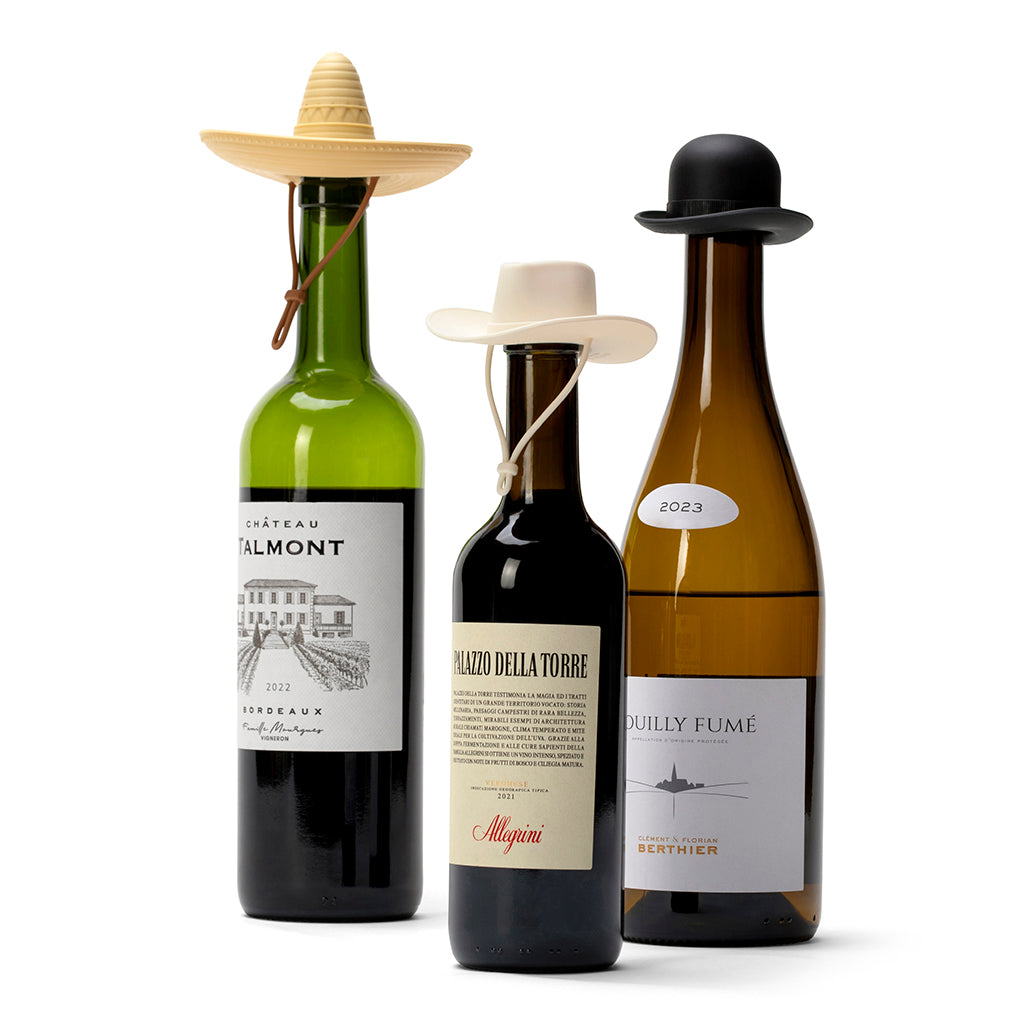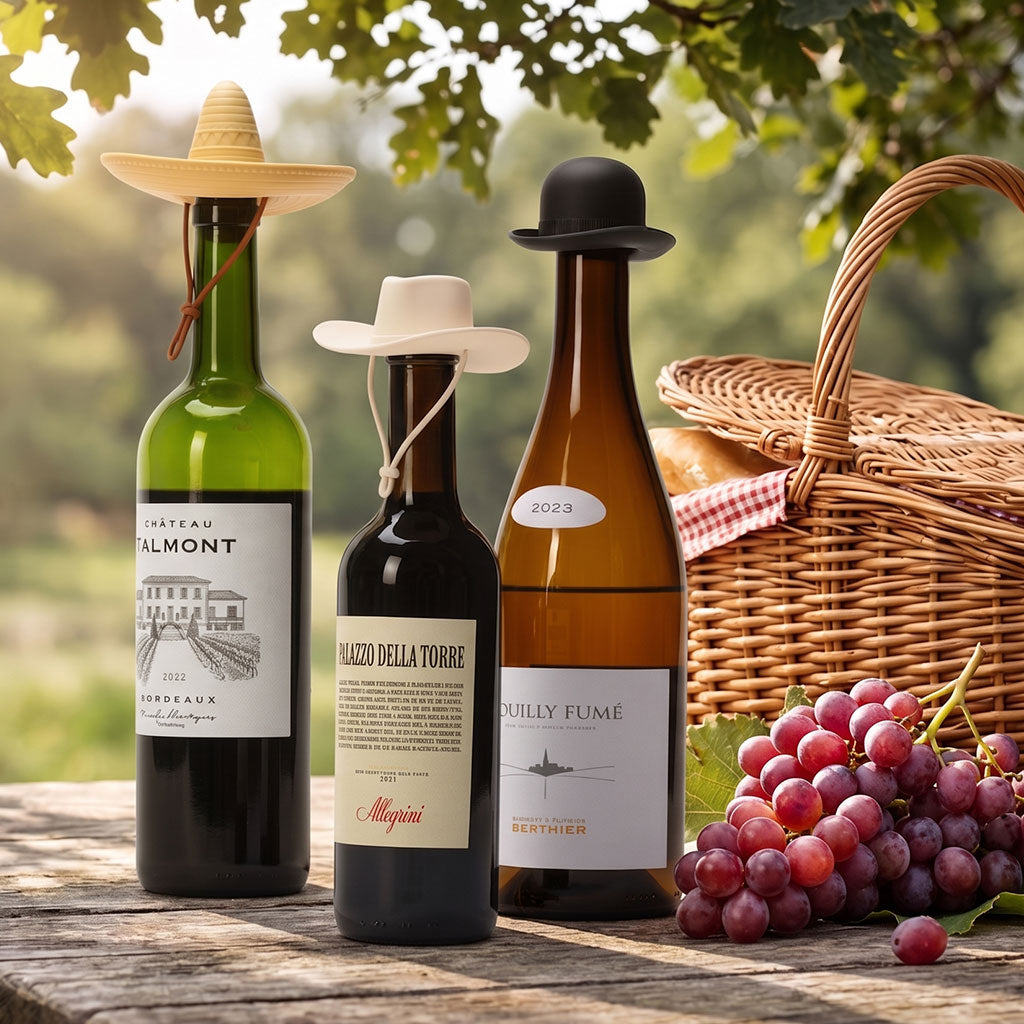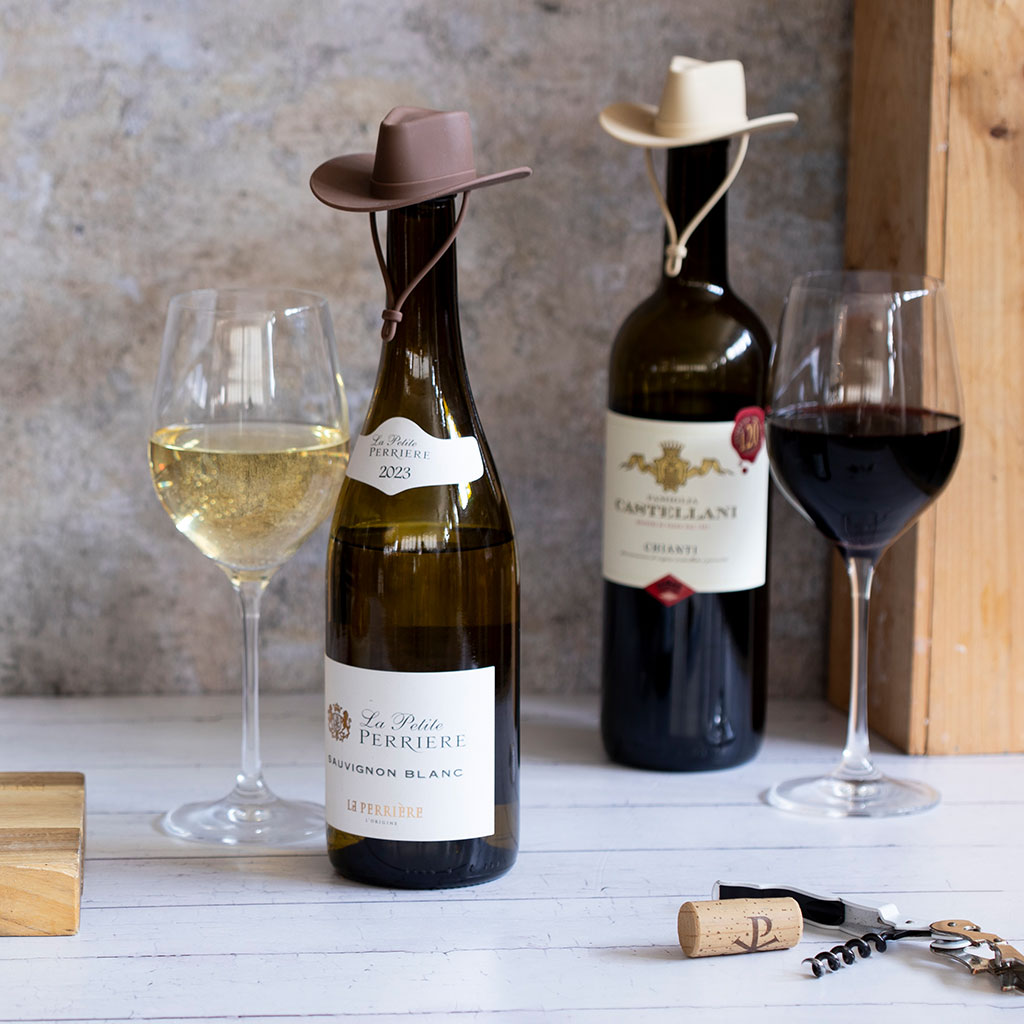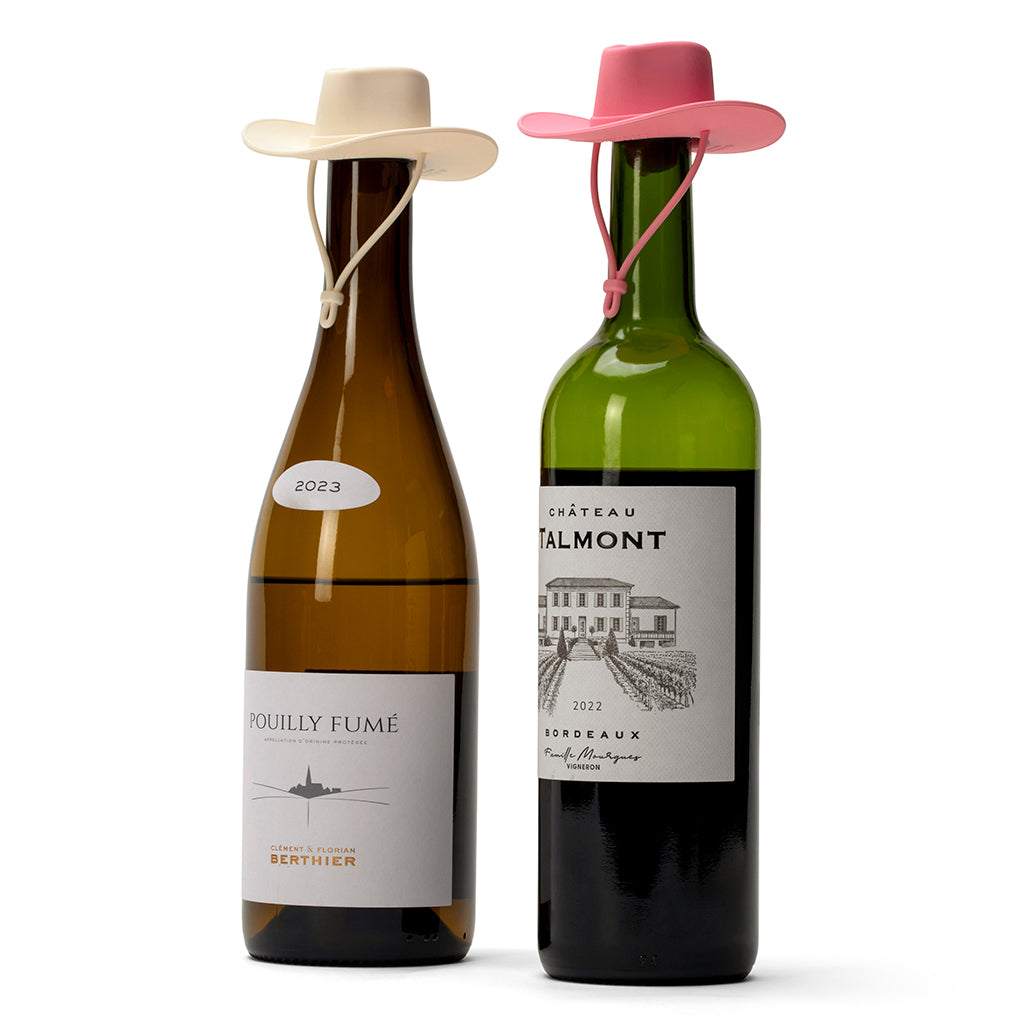

What if the secret to better gift giving has been hiding in plain sight, right next to your fruit bowl and your junk drawer?
You want gifts that spark a smile and actually get used. Monkey Business designs exactly that. From kitchen tools and gadgets to wine and bar gifts and odor eliminators, these playful gifts turn everyday moments into mini wins. They are unique gifts with purpose, designed to solve small problems with big charm.
Here is the twist. The same behavioral clues that guide smart money choices can help you choose smarter gifts. Monkeys picked the better grape deal. People overvalue mugs they already own. Once you know these patterns, you can pick functional design gifts that feel personal, reduce risk, and delight on repeat.
What you will explore
- Why surface-level delight matters, and why usefulness seals the deal
- The first hidden insight, how risk and certainty shape gift choices
- The deeper layer, how ownership, nudges, and storytelling turn small items into favorite things
Ready to trace the landmarks and change how you shop for gifts, once and for all?

Section 1: The surface layer of playful, functional gifts
Start with what you can see and feel. Monkey Business gifts are eye-catching, compact, and priced to please. You get practical gifts that make daily tasks easier, with a little wink built in.
You know this moment. You gift a clever kitchen tool, and it gets used that same night. A vegetable peeler shaped like a quirky character or a fridge-friendly odor eliminator turns a basic chore into something you actually talk about. That is not an accident. It is design with empathy.
Surface-level delight is not fluff. It is the entry point. In behavioral research, even capuchin monkeys showed a keen awareness of value. When given tokens to trade for grapes, they consistently picked the better expected deal, two grapes for one token, over a riskier choice of one or three grapes that worked out to the same average. You can skim the summary here, it is short and fascinating, in Highland Planning's overview of the monkey marketplace.
What does that mean for you? When you give a gift that promises certain utility right away, you lower the risk for the recipient. A handy kitchen tool or a tidy desk accessory offers guaranteed value. No learning curve. No awkward shelf-sitter.
Section 2: The first hidden insight, reduce risk, raise delight
Now lift the next layer. People prefer certainty, especially with gifts. In the grape experiment, the safer offer of two grapes per token often won out against the 50, 50 gamble of one or three. In a follow-up twist, researchers made the rule even clearer. One trader removed a grape from three, so the monkey knew it would end up with two. The other offered one or three with no pattern. The pull of a sure thing showed up again. You can read that pattern in the same summary.
Gift giving works the same way. Choose reliable wins. A compact bottle opener that stashes in a drawer. A kids' corner craft that keeps little hands busy. An odor eliminator that tackles fridge funk without chemicals. These are Monkey Business gifts that do the job and make it fun.
Here is a true to life example. Your friend loves to cook fish, but their fridge tells the tale the next day. You give a tidy, refillable odor eliminator and a playful veggie tool. The payoff is immediate. They use it that night and text you a thank you photo. That is certainty in action, with a smile attached.
If you want a quick browse of practical, playful tools, head to this collection, it is packed with everyday heroes, vegetables and fruits tools.
Section 3:The deeper layer, ownership, nudges, and tiny stories
Here is where the map gets interesting. Humans value what feels like theirs. In a classic study popularized by Richard Thaler, Daniel Kahneman, and Jack Knetsch, buyers offered a median of 2.25 dollars for a coffee mug, while sellers, who already owned the mug, wanted about 5.75 dollars to part with it. That gap is called the endowment effect. The Association for Psychological Science breaks it down here, with fascinating primate evidence too, Monkey Business, APS.
Translation for gift giving. Make your gift feel personal fast. The sooner your recipient can picture the item in their life, the more they will treasure it. This is why useful, whimsical accessories win. They invite ownership on day one.
Behavioral nudges help too. Thaler's Save More Tomorrow program, a famous opt-out retirement nudge, proves how gentle defaults change behavior for the better. You can learn more about nudge design in the APS piece above. For gifts, you can apply the same thinking. Package your gift with a tiny prompt to use it immediately. Add a quick-start idea card. Pair a wine tool with a bottle and a note that says, Tonight you open this with me.
Try this in real life. For a colleague who hosts often, gift two compact bar accessories with a short card that reads, For every Friday you pull off without a hitch. That tiny script is a nudge. It turns objects into a ready-made ritual.
You can also lean on choice architecture when you shop. Instead of asking, What should I buy, ask, What small problem can I solve? Then browse by use. Kitchen tools and gadgets, living accessories, office accessories, wine and bar gifts, odor eliminators, and kids' corner items are easy paths to the right match. Start at the Monkey Business homepage, or jump to all collections and filter by lifestyle.
Mini table of contents
Use this as a quick navigator for unique gifts and practical gifts:
- Playful utility, why charm plus function is your best bet
- Risk reduction, how to choose gifts with guaranteed value
- Ownership and nudges, how tiny cues create favorite items
- Action plan, a simple checklist for your next gift
Action plan, your quick checklist
Pick a tiny problem to solve. Fridge odors, desk clutter, bottle opening, vegetable prep, kids' boredom. Start there.
Choose certainty. Go for items with clear, immediate use. Think practical gifts that do one job well, not vague decor.
Add a nudge. Include a one-line note that suggests first use tonight. This lowers friction and raises joy.
Personalize with context. Mention a habit, a hobby, or a shared joke. Ownership kicks in when it feels like it was made for them.
Keep it light, keep it useful. Let playful design carry the charm. Let function carry the value.
How research quietly guides your cart
Let us connect the dots. Monkeys trading tokens for grapes preferred value and certainty. You prefer gifts that feel like sure wins too. People overvalue what they already own, which means your gift rises in status the moment it earns a spot in a daily routine.
Even the way you present a gift can be a nudge. Defaults matter. A ready-to-use setup, batteries included, and a quick-start note can turn a nice item into their new favorite. These are small changes that pay off.
True to the brand's mission, Monkey Business uses clever, affordable design to solve everyday problems. That mix of playful gifts and functional design gifts does more than look cute. It helps your recipient say, I will use this, right away.
Key takeaways
- Choose unique gifts that solve a specific small problem to reduce risk and boost delight.
- Favor practical gifts with immediate use to tap certainty, just like the two-grape choice.
- Add a simple nudge, a one-line prompt, to speed up first use and create instant ownership.
- Use choice architecture, shop by need and context, not by category alone.
- Keep charm plus function, playful design draws them in, usefulness keeps them loyal.

The full map
You came in looking for better gifts. Now you know why certain choices work. The two-grape rule points you to certainty. The mug study shows how ownership elevates value. Gentle nudges make good behavior easy. Put those insights inside playful, functional design and you get Monkey Business gifts that are easy to pick, a joy to give, and even better to use.
The next time you need a gift, start with a tiny problem, pick a useful, charming fix, and add a one-line prompt to spark the first use. That is how you change gift giving, one small win at a time. What small problem will you solve for someone you care about today?
FAQ
Q: How do I choose the right Monkey Business gift for someone hard to shop for?
A: Start with a small frustration you know they have, like fridge odors or clutter. Pick a functional design gift that solves it in one step, then add a short note that prompts first use tonight.
Q: Why do practical gifts feel more appreciated than novelty items?
A: Research shows people prefer certain value over risky value. A useful item with immediate payoff acts like the safe two-grape choice, which makes it easier to love and keep.
Q: How can I make a small gift feel personal without custom engraving?
A: Use context. Mention a habit or shared moment, and include a nudge like, Open this with dinner tonight. That tiny script encourages ownership, which increases perceived value.
Q: Do playful gifts work for professional settings?
A: Yes, keep it tidy and functional. Opt for office accessories or compact bar tools with clean design. The charm breaks the ice while the utility keeps it appropriate.
Q: What if I have a limited budget?
A: Focus on one problem, one solution. Affordable tools that work immediately often beat pricier items that require setup. Certainty and usefulness are your value multipliers.
Q: Where can I browse by practical need instead of category?
A: Start with collections built around tasks, like vegetable and fruit prep, or view all collections and filter by use.